2026 Global 
Culture Report

A rigorous look at the evolving shape of work.

Latest

2026 Report

Employees face more challenges than ever. This year’s report offers solutions to energize and inspire your people in a complex world.

Introduction

Employees need a workplace that inspires the best of their talent and potential. This year’s report explores practical solutions to energize and connect your people.

Sparking Inspiration

Inspiration in the workplace is a realistic goal that delivers significant returns. The benefits of inspiration lead to positive outcomes across the organization.

Hope in Practice

Effective hope is more than being optimistic. It’s an active process that fuels growth and connection.

Inclusive Teams

Inclusion thrives when practiced at the team level, where people feel seen and supported. Recognition amplifies the positive effects of inclusion.

Healthy Performance Cultures

Employees perform best when supported by clear goals and a strong sense of connection. A high-performing work community helps them to grow and find fulfillment.

Transparency Revisited

Transparency in key areas builds trust, accountability, and engagement. Clear communication brings powerful benefits to workplace culture.

One Last Word

Our latest research shows a shift in what inspires and motivates employees. So, how can you help employees use inspiration effectively?

Global Appendix

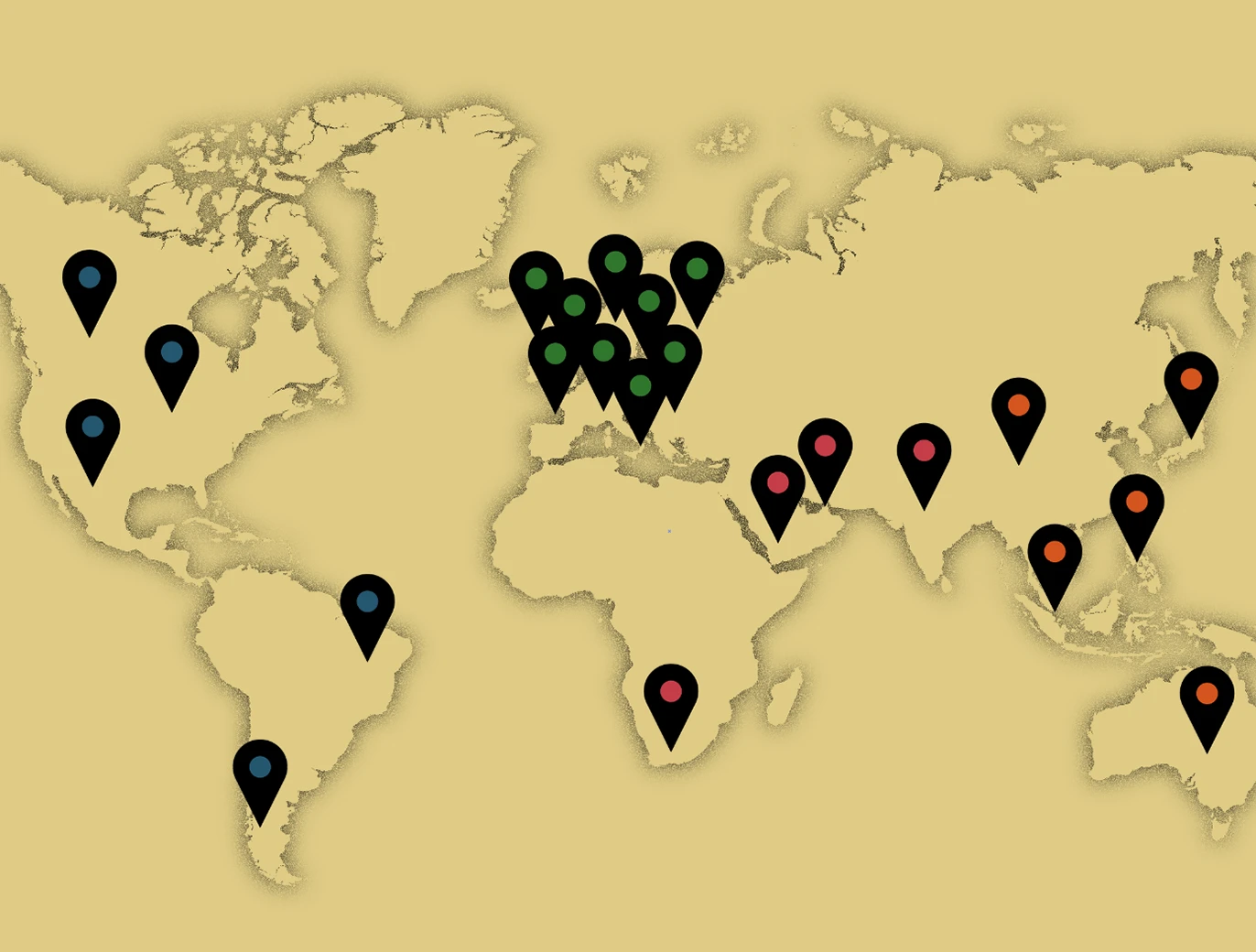
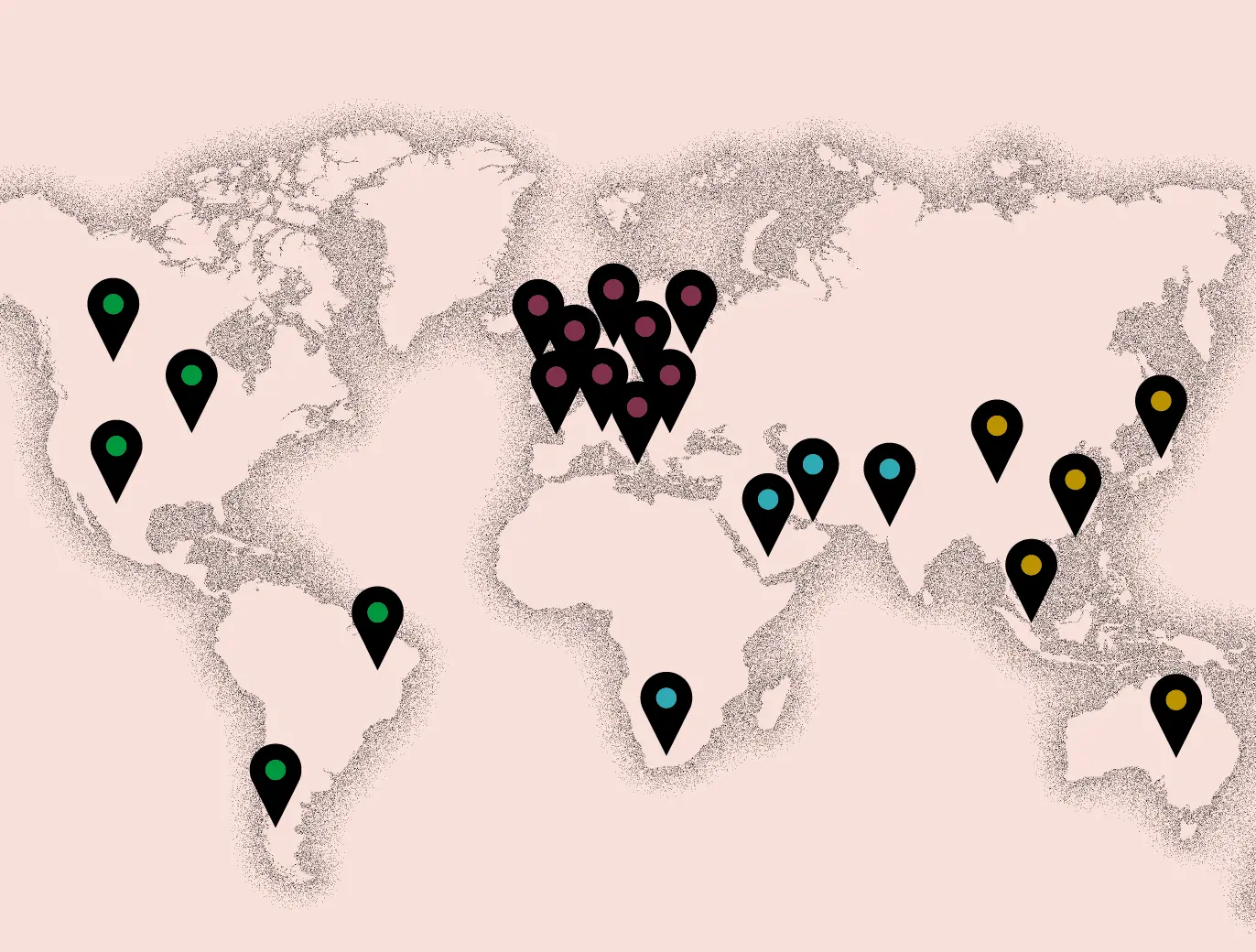
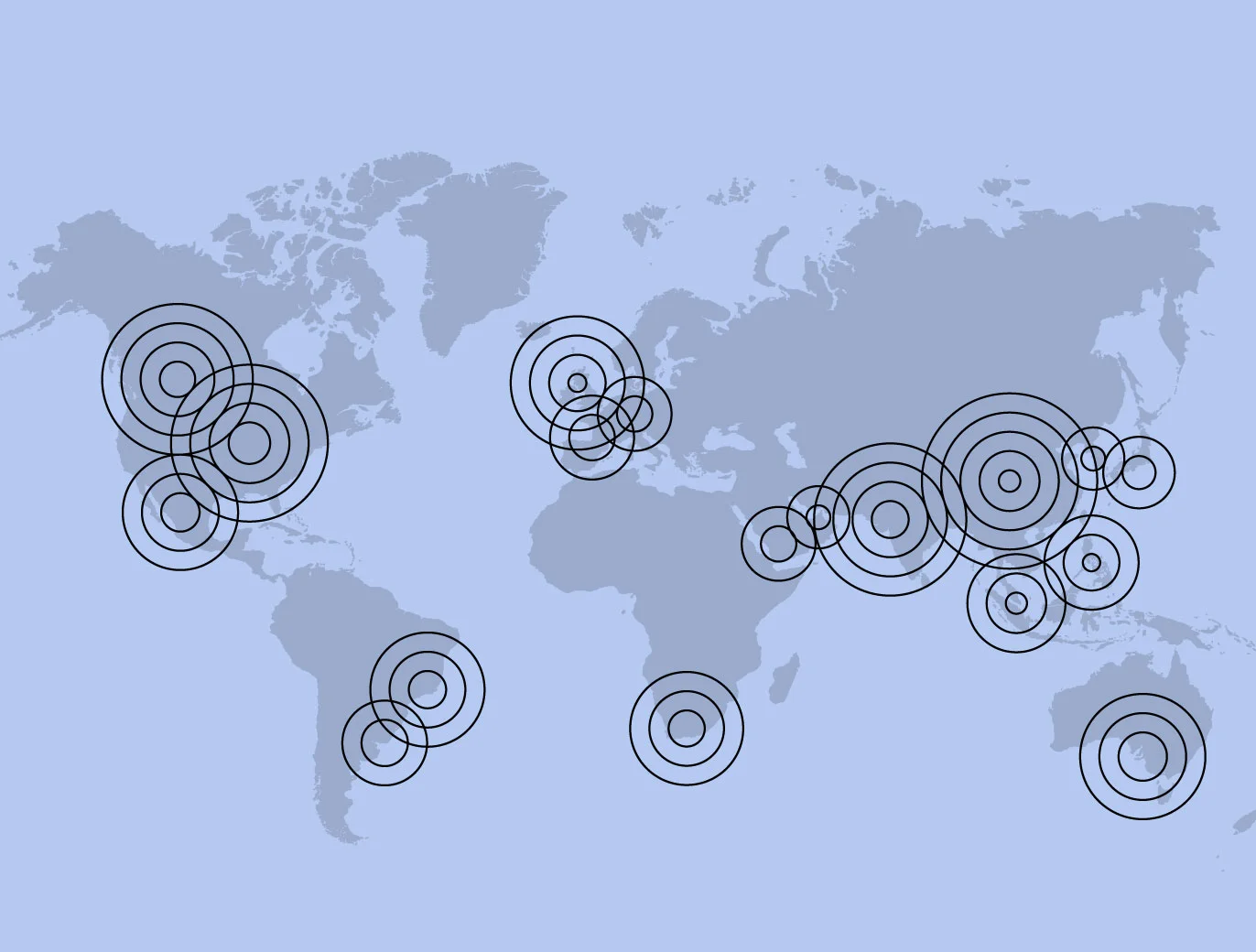
Explore employee and workplace culture metrics specific to regions around the world.

2026 Report

This report charts a path towards shared success, beginning with the spark that empowers people to grow, connect, and thrive within the workplace.

This report charts a path towards shared success, beginning with the spark that empowers people to grow, connect, and thrive within the workplace.

As work and the world continue to shift in unpredictable ways, this year’s report reveals how inspiration can guide people forward—turning uncertainty into shared purpose, action, and success.

  • Inspiration
    16%
    Only 16% of employees are thriving in their role
  • Leadership
    38x
    Increased employees will feel inspired when leaders and coworkers prioritize meaningful interactions, share insights and encourage new ideas
  • Innovation
    5x
    Increased offs of innovation when employees feel strong sense of hope at work
Past research

Explore Past research

Introduction

When organizations care for employees in fundamental ways, Total Rewards strategies are far more effective at helping both sides thrive.

Working to Survive

Nearly a third of the workforce operates in survival mode. Making their basic needs a priority leads to more productive, innovative, and loyal employees.

Thriving at Work

Helping employees feel fulfilled and secure requires more (and less) than a long list of Total Rewards offerings. It takes a people-centered, purpose-driven plan.

The Mental Health Link

Workplace culture can impact depression, anxiety, and burnout—for better or worse. Two positive factors are destigmatization and employee recognition.

Applied Emotional Intelligence

Understanding, managing, and influencing emotions isn’t just for leaders anymore. When everyone practices EQ, it creates a more caring workplace culture.

Job Transitions

Any job change—internal or external, promotional or lateral—is a big opportunity for both individuals and organizations, especially when it includes onboarding.

Conclusion

Rewards by themselves don’t generate a caring culture. How companies approach them do. See 5 ways to begin.

Global Appendix

Explore employee and workplace culture metrics specific to regions around the world.

Introduction

Workplace cultures are in motion and this year’s report examines the most pressing shifts—challenges and opportunities.

Embracing Change

Employees are 57x more likely to view change as positive when it's people centered. And that means giving them a voice.

Practical Empathy

When leaders add action to empathy, they can dramatically improve employees’ sense of belonging and connection.

The 80% Experience

A large majority of the world’s employees feel excluded and disadvantaged. What are the best ways to support them?
Equitable Flexibility

If the goal is to help all workers find more balance and fulfillment, then employers need to be flexible with everyone.

Cooperative Skill Building

Giving employees choice, time, and recognition for developing skills benefits both the individual and the organization.

Nimble Resilience

The pace, intensity, and unpredictability of workplace challenges now require more than blunt endurance.

Conclusion

Small shifts can make a huge difference in workplace culture. Here are 4 steps to get started.
Global Appendix

Explore employee and workplace culture metrics specific to regions around the world.

Introduction

Most culture metrics are on the upswing. Employees say their senses of purpose, opportunity, and success have all increased by nearly 20%.

Workplace Community

A feeling of community holds many workplace cultures together. And strengthening it is the answer to many of the challenges organizations face.

Leadership at Risk

Mid-level managers are experiencing more stress, anxiety, and burnout than other employees, which has a dangerous domino effect.

Finding Fulfillment

Employees who reach a high level of personal fulfillment plan to stay with their organizations 3 years longer than unfulfilled workers.

Integrated Recognition

Only 21% of workplace cultures worldwide have recognition that’s highly integrated. What positive outcomes are they forfeiting?

Harnessing Symbols

The power of symbols transcends their meaning. Employees are 3x more likely to recall a recognition experience when it includes a symbolic award.

Rise of the Generalist

Evolving organizations need employees with a breadth of knowledge, skills, and experience. And these employees need opportunity and recognition.

Conclusion

Connection, belonging, and community are critical to healthy workplace cultures now. Here are four other points worth noting.

Global Appendix

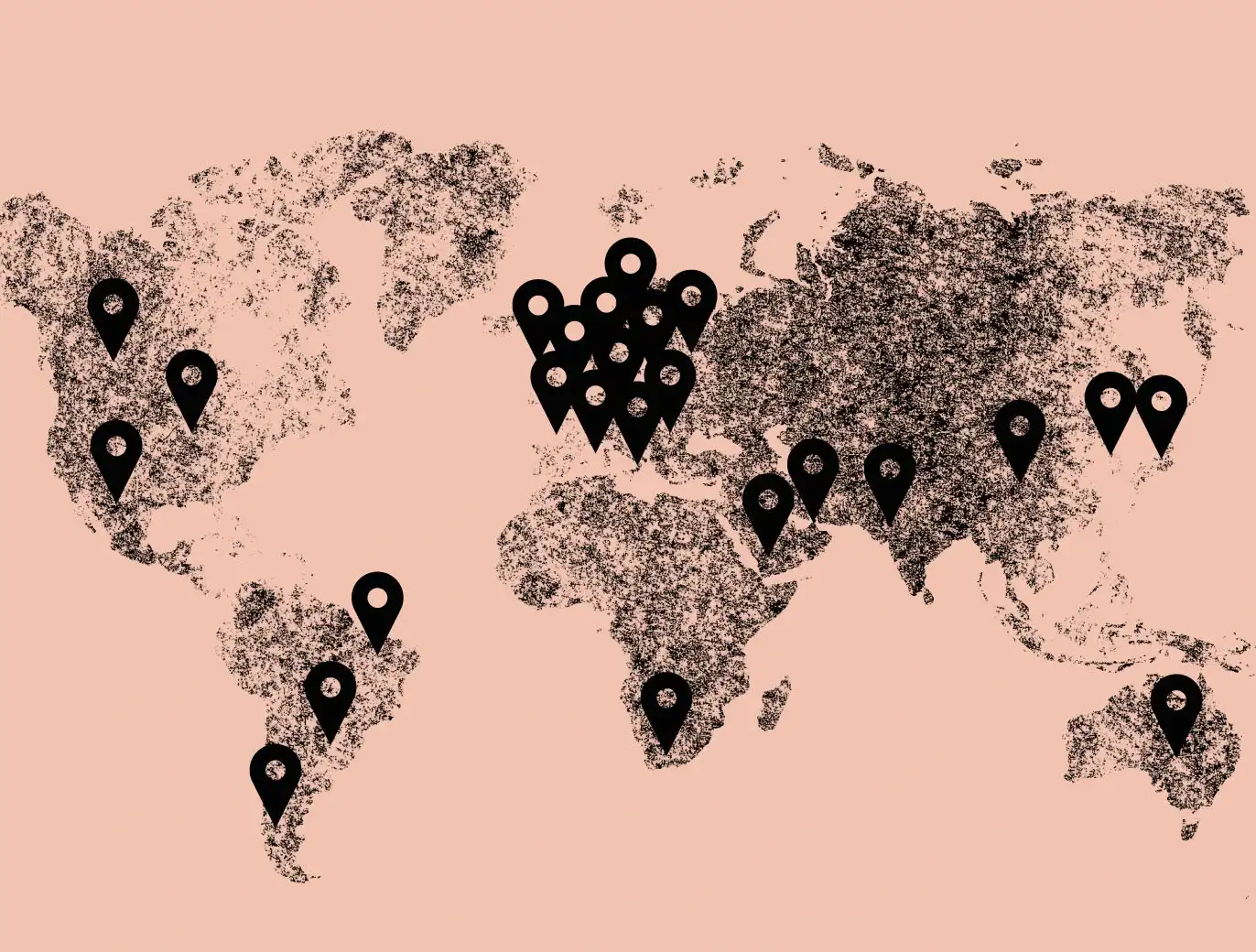
Explore employee and workplace culture metrics specific to 18 countries around the world.

Introduction

Organizational cultures face several big challenges. Employees’ sense of purpose, opportunity, and success all fell 14% or more in the last year.

Hybrid Workplace

Work will increasingly be done where employees want to do it. And that’s not necessarily 100% remote. The keys are flexibility and connection.

Engagement Revisited

Despite billions spent, employee engagement has increased less than 0.5% each year for nearly two decades. So what’s a better metric?

Peak Experiences

By satisfying three psychological needs, organizations can create more employee peak experiences and improve numerous cultural outcomes.

Recognition

The probability of great work increases at least 18x when employee recognition is tailored to individuals and integrated across the organization.

Connection

Covid took a toll on interactions, but if team members develop above-average connections, their organization is 11x more likely to thrive.

Conclusion

The role of HR today is only a fraction of what it will be in years to come. We have four practical suggestions to help prepare for it.

Global Appendix

Explore employee and workplace culture metrics specific to more than 20 countries around the world.

Introduction

The average engagement score fell 2% and incidences of burnout rose 3% from the previous year—for reasons other than the pandemic.

Crisis

Unprecedented times conceal unprecedented opportunities to strengthen culture though transparency, connection, recognition, and inclusion.

Technology

Only 32% of organizations are culturally ready to adopt new technology. But it can have a powerful impact on the employee experience.

Recognition

Over the next decade, recognition will become more technical, personal, natural, and critical. Nearly half of employees feel there’s room to improve.

Inclusion

When cultures increase inclusive employee experiences and decrease exclusionary experiences, quantifiable outcomes like engagement and wellbeing soar.

Generations

We’re starting to see how Gen-Z employees compare to their predecessors. And organizations with healthy cultures are 16x more likely to retain them.

Leadership

Organizations that treat every employee as a leader develop the best leaders (at least 81% of them). They also build the best cultures.

One Last Word

Cultures where all employees thrive don’t create themselves. It’s a never-ending journey. Fortunately, we know four important steps to keep in mind.

Global Appendix

Compare employee engagement scores and culture metrics from countries around the world.

Introduction

Culture-building efforts and modern workplace trends created a 6% engagement increase, yet 59% of employees are still willing to leave.

Experiences

The employee experience is not what you think it is. Our study shows only 42% of employees feel good about their daily experiences at work.

Burnout

It’s the new workplace crisis. With 79% of employees suffering from burnout, it needs to become a top priority for all HR professionals.

Leadership

Traditional leadership is being replaced. Modern leaders use mentoring, connection, and employee recognition to inspire 86% more great work.


One-to-ones

Today’s one-to-one conversations go beyond performance reviews to help leaders and employees connect, share goals, and improve trust 276%.

Teams

Psychologically safe, autonomous teams produce 2-3X higher employee engagement, more great work, and a better overall employee experience.

Listening

Only 51% of employees say their company excels at listening to employees. Listening is more than hearing, and improves employee satisfaction.

One Last Word

The statistics about culture show the impact of leadership is profound. Leaders plays a pivotal role in building thriving workplace culture and impacting their company’s bottom line.

Global Appendix

See how worldwide employee engagement statistics vary and how employees feel about workplace culture across 18 different countries.

Introduction

A more diverse, multigenerational workforce, the rise of AI, and a lack of connection are the latest trends in the workplace disrupting companies.

Purpose

Only 66% of employees feel a sense of purpose at their organizations. Purpose must be heard and felt throughout the work environment.

Opportunity

One of the top drivers of engagement, opportunity means more than just raises and promotions. 52% of Gen Z employees prefer job variety over a promotion.

Success

Employee success is personal. But only 54% of employees feel like they accomplished something great in the past 30 days.

Appreciation

Appreciation results in more than just happy employees—employees who feel appreciated are 5X more likely to stay.

Wellbeing

Employee wellness should include physical, social, and mental health and wellbeing. Employees experience 52% less stress when companies focus on all three.

Leadership

Leaders play a crucial role in shaping corporate culture; unfortunately, only 57% of employees currently feel positive about leadership.

One Last Word

A great company culture is built through connection.

Subscribe

Join a successful community that puts culture first

Follow workplace culture trends and gather insights and leadership advice from the top research team in employee recognition. Sign up to receive actionable tips and useful content, never clutter.